rotate rotate2 rotate3 rotate4

Non Destructive Testing

OBJECTIVE

Detect, locate and characterize flaws (cracks, voids, inclusions) in materials and structures by using ultrasonic wave 

METHOD

Observe the wave phenomena (transmission, reflection, refraction, diffraction or scattering) occurred caused by the interaction between the flaw and the ultrasonic wave

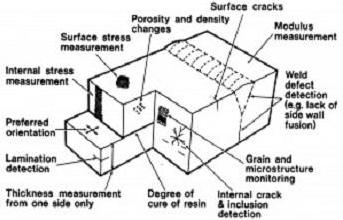
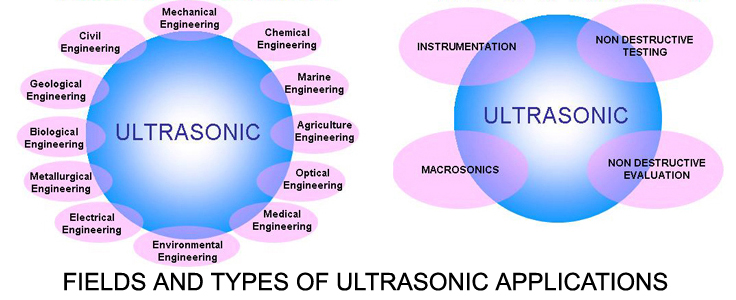
Illustration of the various applications of ultrasonic in NDT of materials is shown below.


Ultrasonic NDT in various industries is shown at Table 1.


Table 1. Ultrasonic in Non Destruction Testing

INDUSTRY

MATERIALS/EQUIPMENTS

DEFECTS

Basic metal

Steel, aluminum, iron, magnesium, etc

Porosity, inclusions, center pipe

Metal fabricators

Plate, sheet, pipe, tubing, forgings, extrusions, die block, casting

Lamination, seams, inclusion, bursts, flaking, porosity, concentricity

Aircraft

Aircraft engine components, propeller, airframe components, landing gears

Fatigue cracks, internal flaws in materials

Automotive

Body panel sheets, engine and transmission parts

Lamination, cracks

Automotive

Body panel sheets, engine and transmission part

Lamination, cracks

Rubber

Tires

Ply separation, ply thickness

Plastics

Plastics and ceramics, fiberglass-reinforced

Porosity, inclusions, cracks delamination

Railroads

Rails, axels and crankshafts in engine and rolling stock

Fatigue cracks

Metal stamping

Track and wheels, sheet stock,

crankshafts, punch press

Cracks, laminations, inclusions, fatigue cracks

Electric power

Turbines and generators, piping,

pressure vessel,  penstocks

Internal cracks and flaws

seams weld defects

Chemical and refineries

Compressors, vessels and piping

Connecting rods, seams, lamination, weld defects

Mining and quarryng

Hoist and crusher shafts

Fatigue cracks

Marine

Hull plate, propellers shafts

Laminations, weld flaw cracks, porosity cracks

Metallurgy

All metals

Physical constants, grain size


Leave a response -

Your response: